Cell and Gene Therapy
Cell therapy is a cutting-edge medical treatment that uses live cells as the final drug products to repair or replace damaged tissues or enhance immune function to treat various diseases such as cancer and autoimmune disorders. This innovative approach can utilize a range of cell types, including stem cells for tissue regeneration, and engineered T cells expressing specialized T cell receptors (TCRs) or chimeric antigen receptors (CARs), as well as many other cell types like natural killer (NK) cells and macrophages. Autologous cell therapy utilize patient’s own cells as a starting material and allogeneic cell therapy involve the use of donor cells. The development of cell therapy requires various robust and vigorous analytical testing to ensure its potency and safety to meet the regulatory requirements.
Solutions for Cell and Gene Therapy
Immune Cell Therapy
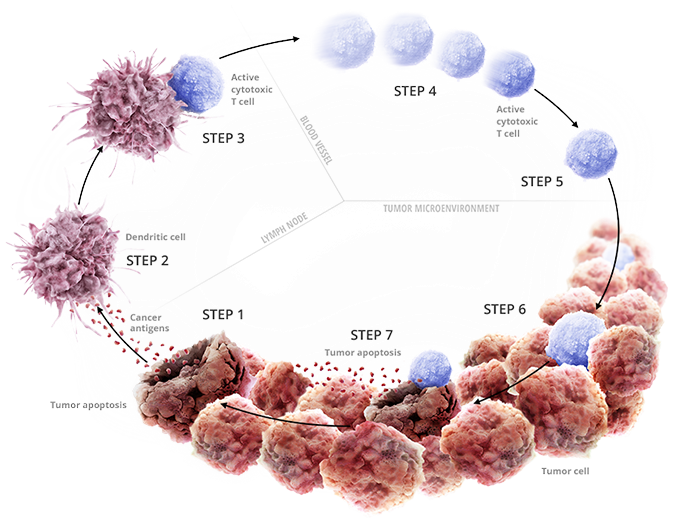
Cancer is a major threat to public health. Current treatments for cancer are unable to meet needs of patients. We believe that immune cell therapy is a new technology that has the potential to alleviate much of the burden of these chronic and degenerative diseases in a cost-effective manner.
Using living immune cells to target specific cancer molecules has been developed in these days. The immune cells have a prolonged lifespan and can replicate in the patient, providing long term protection against newly developing cancer cells. Also, the cells become part of the patient’s own immune system, making this a natural approach to the treatment of cancer.
Stem cell therapy
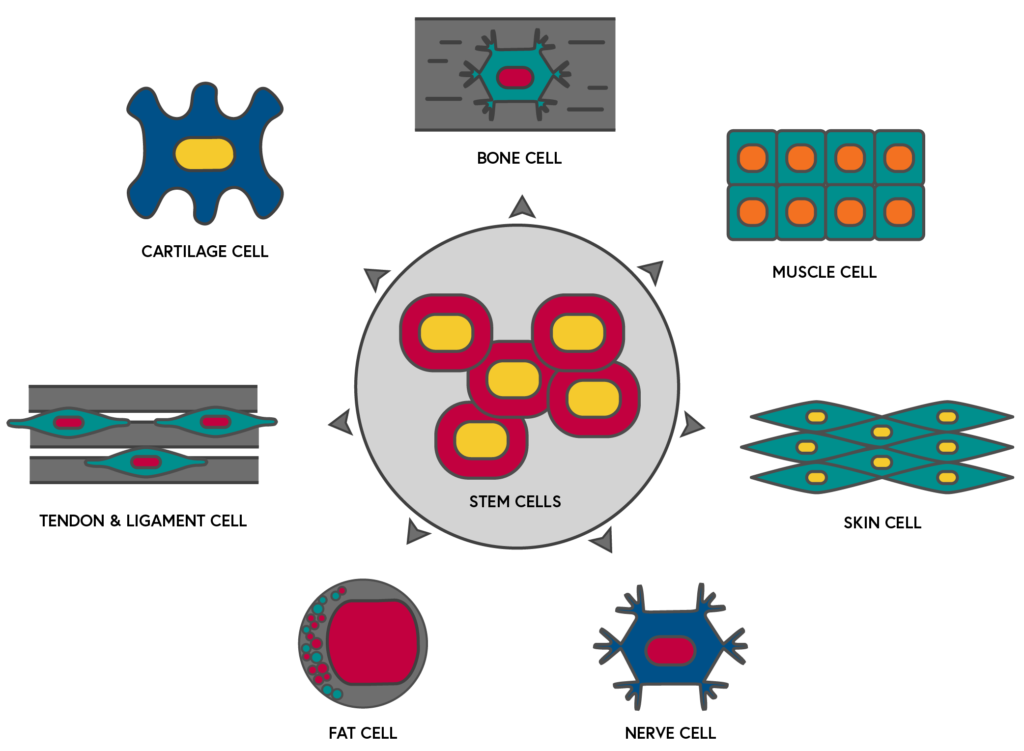
Regenerative medicine aims to replace or repair human cells, or regenerate tissue or organs to restore normal function. It makes use of cells, biomaterials, and molecules to fix tissues in the body that do not function properly because of disease or injury. What makes regenerative medicine different from conventional treatment is that the latter generally treat symptoms, while the former aims to treat the root cause of a patient’s condition by replacing dysfunction cells or organs, even by fixing a faulty gene.
This technology combines the latest advances in stem cell biology, embryology, tissue engineering and medicine to develop products for the replacement, restoration or regeneration of damaged or diseased cells and tissues. Tools used in regenerative medicine include biomaterials and extracellular matrices, lab-generated cells and tissues, and reagents required in the treatment process. These powerful technologies and tools are allowing clinical scientists to engineer and provide healthy cells, tissues and organs to patients with chronic degenerative diseases.

Application Note
Lorem ipsum dolor sit amet, consectetur adipiscing elit. Ut elit tellus, luctus nec ullamcorper mattis, pulvinar dapibus leo.
FAQs
What are the best strategies for selecting a safe target in CAR-T/cellular therapies?
Identify tumor-restricted antigens: Minimize off-tumor toxicity by selecting targets with zero or minimal expression on vital healthy tissues.Design multi-antigen logic gates: Use AND, OR, or NOT synthetic biology gates (e.g., dual-targeting CARs) to force the engineered cell to activate only when it encounters a unique combination of markers on the target cell.Screen with human primary tissue: Rely on healthy human tissue microarrays and multi-organ 3D organoid models early in the screening phase to detect unexpected cross-reactivity
How do cellular assays differ from traditional high-throughput screening (HTS)?
Phenotypic endpoint shift: Instead of measuring isolated enzyme inhibition or simple receptor binding, you must track living cell phenotypes like cytotoxicity, persistence, exhaustion markers, and cytokine secretion profiles over time.Complex kinetic monitoring: Traditional HTS captures endpoints in hours, but cell therapies require long-term tracking (days to weeks) via live-cell imaging platforms to evaluate structural killing dynamics and serial killing capabilities.